Compare Local Contractors for Drainage Sloping Services
Compare local contractors for drainage sloping to define your project scope, verify experience, and set clear expectations in writing for a successful outcome.
Drainage sloping services typically involve adjusting the grade or pitch of a property’s surface to direct water away from foundations, walkways, and other structures. This work may include excavating soil, installing or modifying drainage channels, and ensuring proper slope to prevent pooling or water infiltration. Proper drainage sloping helps protect a property’s landscape and foundation integrity by managing water flow effectively, reducing the risk of water-related damage over time.
Defining the scope of drainage sloping projects is essential to ensure the work addresses specific site conditions and drainage goals. Clear communication about the desired outcome-such as directing water away from certain areas or preventing erosion-helps property owners and contractors align expectations. Outlining tasks like soil grading, installation of drainage systems, and site preparation in writing can prevent misunderstandings and ensure the project meets the property’s unique needs.
Property owners seeking drainage sloping services should compare local contractors by evaluating their experience with similar projects and understanding their approach to scope definition. It’s important to verify that contractors have relevant experience in grading and drainage work within the local area, where soil conditions and weather patterns influence best practices. When reviewing contractors, ask for detailed descriptions of their proposed scope of work and ensure all expectations are documented in writing. This approach helps facilitate clear communication and supports a successful project outcome.
Compare local contractors by outlining your priorities, verifying experience, and setting clear expectations in writing.
- Compare Contractors - review multiple local service providers to find the best match for drainage sloping needs.
- Define Project Scope - clearly outline the work requirements and expectations before selecting a contractor.
- Verify Experience - check the background and previous work of local contractors to ensure suitability.
- Document Agreements - put all project details and expectations in writing to avoid misunderstandings.
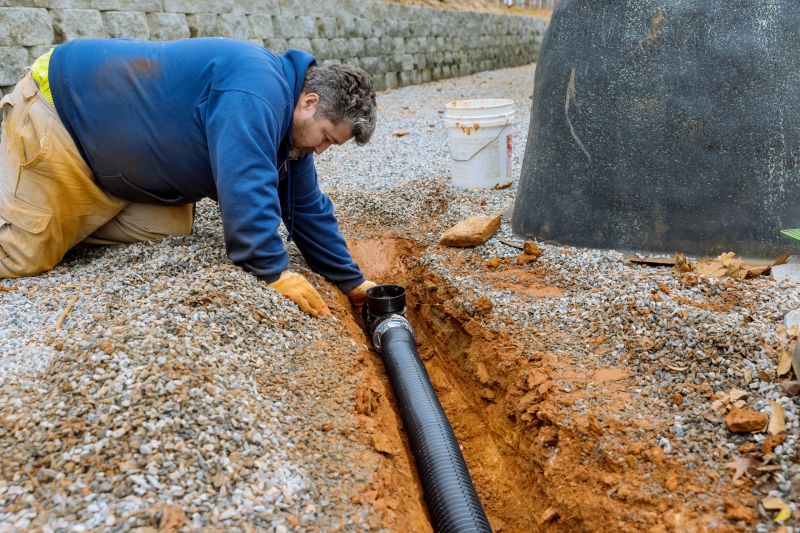
Clearly describe your drainage sloping project to help compare local contractors, define scope, verify experience, and set expectations in writing.
- Verify experience with drainage sloping projects to ensure contractors understand proper grading techniques. - Look for service providers who can clearly define the scope of drainage sloping work in writing.
- Compare multiple local contractors to assess their approaches and methods for achieving proper drainage slopes. - Ensure each contractor can explain their recommended slope ratios and installation procedures.
- Ask for references or examples of completed drainage sloping projects similar in scope and complexity. - Review past work to evaluate the quality and effectiveness of their drainage solutions.
- Discuss and document expectations regarding slope accuracy, drainage efficiency, and materials used in the project scope. - Clear written agreements help prevent misunderstandings during the project.
- Check that contractors are familiar with local regulations or best practices related to drainage slope requirements. - Confirm they can advise on compliance and proper installation standards.
- Ensure the scope of work includes details on surface grading, slope measurements, and drainage outlet placement. - Precise scope definitions support consistent project outcomes.
Compare local contractors' experience and clarify project scope to ensure successful drainage sloping work.
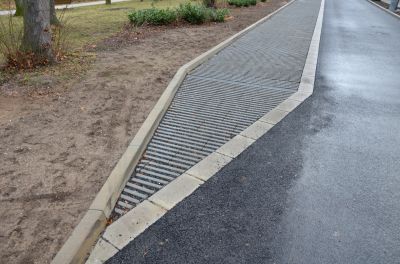
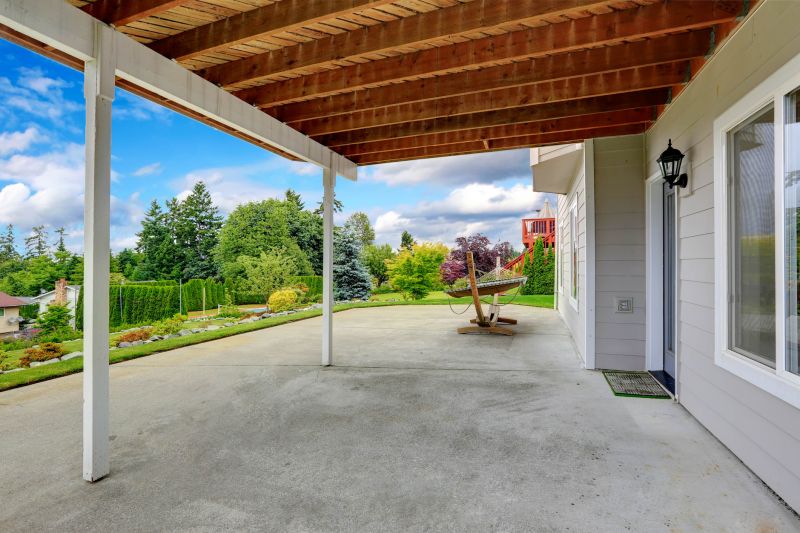
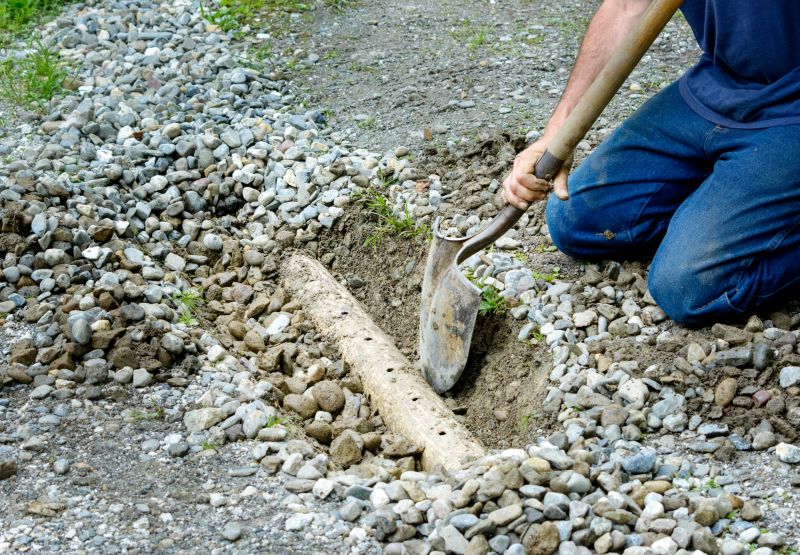
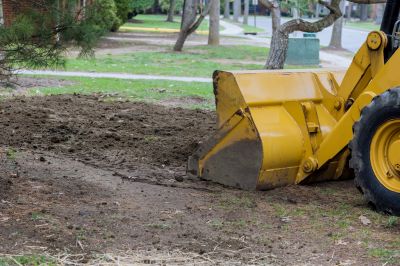
When comparing contractors for drainage sloping, ensure scope clarity, verify experience, and maintain consistent standards across service providers.
- Define slope specifications - clearly specify the desired drainage slope to ensure proper water runoff.
- Assess site conditions - evaluate the existing landscape and soil type to determine appropriate sloping requirements.
- Verify experience with drainage projects - confirm that local contractors have relevant experience in drainage sloping.
- Establish scope in writing - document the extent of work, materials, and slope measurements to prevent misunderstandings.
- Compare contractor approaches - review different methods and recommendations from local service providers to select the most suitable option.
When comparing contractors for drainage sloping projects, it’s important to consider their experience with similar types of work. Homeowners should inquire about the scope of projects the service providers have handled, ensuring they have a history of successfully managing drainage adjustments in residential settings. Contractors with a track record of addressing drainage issues on properties comparable to the site in question can often bring a better understanding of the specific challenges involved, leading to more effective solutions.
Having a clear, written scope of work is essential for setting expectations and ensuring all parties are aligned. Homeowners should seek detailed descriptions of the tasks included, such as grading specifics, materials used, and any related site preparations. A well-defined scope helps prevent misunderstandings and provides a foundation for evaluating the thoroughness of the proposed approach, making it easier to compare different service providers objectively.
Verification of a contractor’s basics involves confirming their familiarity with site evaluation techniques and their approach to assessing drainage needs. Homeowners can ask how the service providers plan to verify existing drainage issues, such as inspecting the terrain, identifying problem areas, and determining the appropriate slope grades. Understanding their process for confirming the scope of work through site assessments ensures that the contractor’s approach aligns with the specific drainage concerns of the property.
When evaluating options, homeowners should focus on how each contractor plans to meet the project’s requirements through their proposed methods and scope. It’s beneficial to ask for detailed descriptions of their approach, including the steps involved in creating an effective slope and how they intend to verify that the drainage will function properly after completion. Comparing these details helps homeowners select a contractor who demonstrates a clear understanding of the project needs and offers a comprehensive plan for achieving effective drainage, all without relying on price alone.
Request written scope details from local contractors to ensure clear expectations and consistent project understanding.
- Experience and Expertise - What relevant experience do the contractors have with drainage sloping projects?
- Scope of Work - How do contractors define and clarify the specific scope of drainage sloping services?
- Comparison of Services - What differences exist between local contractors’ approaches to drainage sloping?
- Project Expectations - How do contractors outline project expectations and deliverables in writing?
- Qualifications and References - Can contractors provide references or examples of similar drainage sloping work they have completed?
What should I consider when choosing a contractor for drainage sloping? It's important to compare the experience, reputation, and scope of work offered by different service providers to ensure they can meet your specific drainage needs.
How can I verify a contractor's experience with drainage sloping projects? You can review their previous work, ask for references, or inquire about their familiarity with similar drainage slope installations to gauge their expertise.
What details should be included in a written scope of work? A clear scope should specify the drainage sloping approach, materials to be used, project boundaries, and any specific requirements or expectations for the job.
Why is it important to compare multiple contractors for drainage sloping? Comparing different service providers helps identify those who best match your project needs, ensuring quality work and clear communication about the job scope.
What questions should I ask contractors during the selection process? Ask about their experience with drainage sloping, how they plan to approach your project, and what is included in their scope of work to ensure clarity and compatibility.
How can I ensure the scope of work is understood and agreed upon? It’s advisable to have all project details documented in writing, including responsibilities, materials, and expectations, to prevent misunderstandings later on.
By exploring these drainage sloping services, visitors learn how to identify qualified contractors, clearly define the scope of work, and verify experience to ensure the job meets expectations. The information emphasizes the importance of comparing options and setting clear, written agreements to help make informed decisions about hiring local service providers.
Interested in finding the right contractor for drainage sloping? Use the quote form to compare local contractors, review their offerings, and connect with experienced professionals who can handle the job. Taking the time to evaluate and communicate your needs can help ensure a smooth and successful project.