Compare Local Contractors for Trench Installation Success
Compare local contractors for trench installation to define scope, verify experience, and set clear expectations for a successful project.
Trench installation services typically cover a range of tasks related to excavating and preparing ground for underground utilities, drainage systems, or foundation work. This includes digging precise trenches to accommodate pipes, cables, or other infrastructure components, ensuring proper depth and alignment. Contractors may also handle related activities such as soil excavation, trench reinforcement, and backfilling to secure the installed elements. Understanding the scope of trench work helps property owners determine what specific services are needed for their project and ensures that all necessary steps are accounted for during planning.
Clearly defining the scope of trench installation work is essential for setting accurate expectations and avoiding misunderstandings. Property owners should work with local contractors to specify the dimensions, depth, and purpose of the trenches, as well as any site-specific considerations like existing underground utilities or soil conditions. Having these details in writing can help ensure that the work performed aligns with project requirements and that all parties are on the same page regarding the extent of the work. Proper scope definition also facilitates comparison among service providers by highlighting each contractor’s experience and approach to similar projects.
When comparing local contractors for trench installation, property owners should consider a variety of factors beyond just experience. It’s practical to review each provider’s background in similar projects, ask for references or examples of completed work, and verify their familiarity with local regulations and site conditions. Additionally, gathering detailed written proposals that outline the scope of work, materials, and responsibilities can help in making an informed decision. By evaluating these aspects, property owners can identify service providers who demonstrate a clear understanding of trench installation requirements and are capable of delivering the work according to specified standards.
Compare local contractors by outlining your project priorities, verifying experience, and clearly defining expectations in writing.
- Define the Scope of Work - clearly outline the trench installation requirements to ensure all parties understand the project details.
- Verify Experience and References - assess the background of local contractors to confirm their familiarity with trench installation projects.
- Compare Contractor Qualifications - evaluate different service providers based on their expertise, reputation, and project approaches.
- Document Expectations in Writing - establish and agree upon project scope, responsibilities, and deliverables through written agreements.
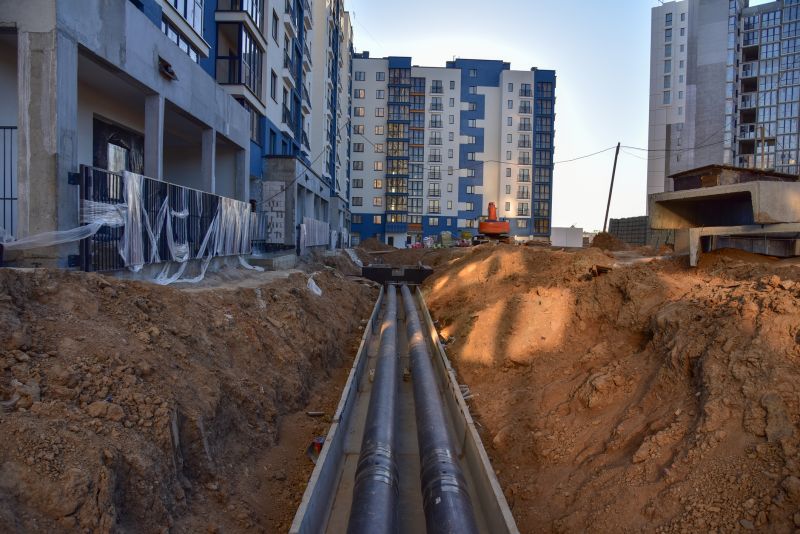
Before comparing contractors for trench installation, clearly describe your project scope and verify their experience in writing.
- Verify experience and expertise in trench installation specific to the project scope. - Ensure service providers have a proven track record with similar trenching projects.
- Define the scope of work clearly in writing to prevent misunderstandings during the project. - Clarify responsibilities, trench dimensions, and site requirements with local contractors.
- Check for proper site assessment and planning before trenching begins. - Look for contractors who evaluate soil conditions and underground utilities beforehand.
- Confirm that safety protocols and procedures are discussed and documented with the service provider. - Ensure contractors follow safety standards to protect workers and property.
- Request detailed work plans and project outlines to compare how different local contractors approach trench installation. - Review their proposed methods and steps to ensure alignment with project needs.
- Ensure that all expectations, responsibilities, and project details are documented in a formal agreement. - Protect the project by having a clear, written contract with the contractor.
Use this to compare local contractors, clarify project scope, verify experience, and set clear expectations.
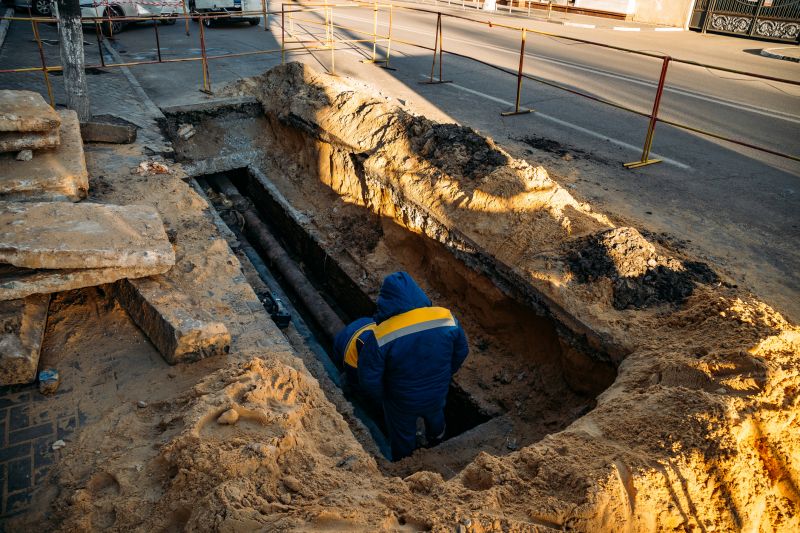
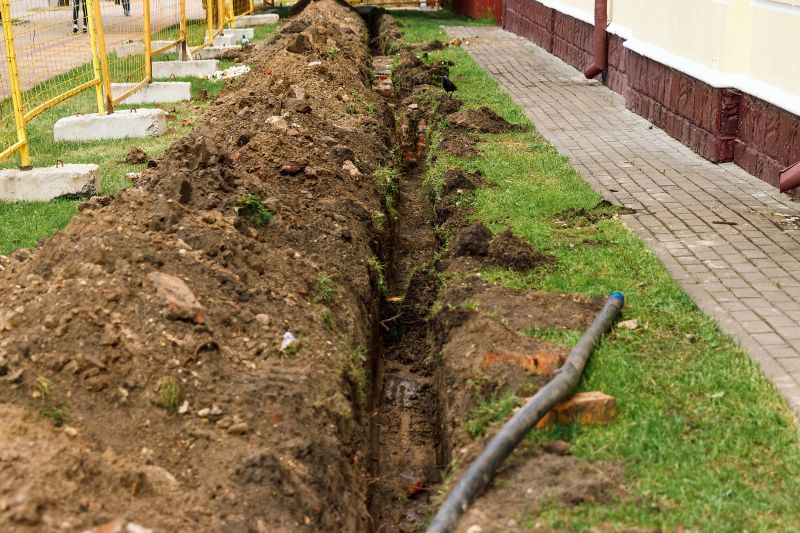
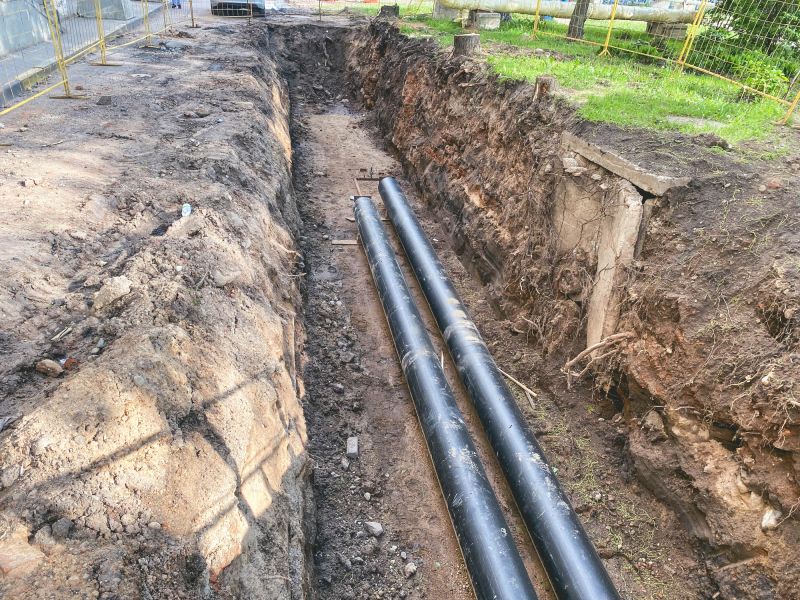
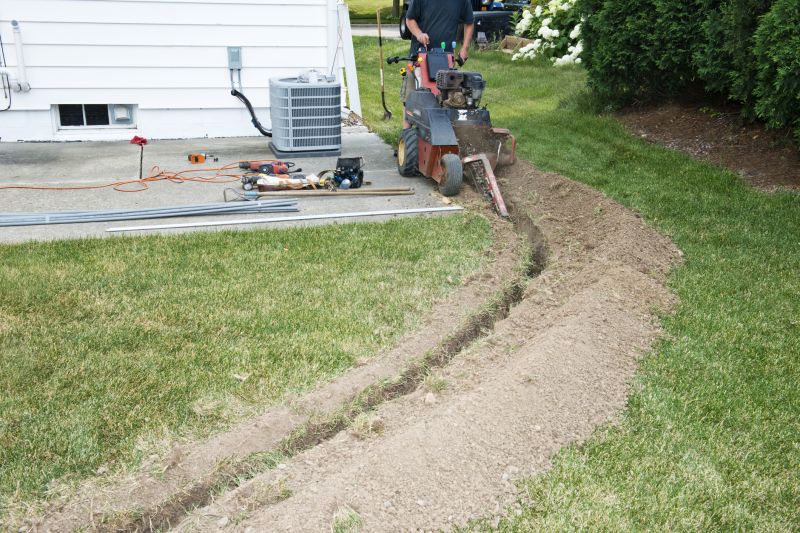
Use clear, consistent criteria to compare local contractors’ scope, experience, and written expectations for trench installation.
- Scope Definition - Clearly outline the specific trench installation tasks required, including dimensions, depth, and location.
- Experience Verification - Confirm that local contractors have relevant experience with trench installation projects of similar scope.
- Material Specifications - Specify the types of materials to be used and ensure contractors can accommodate these requirements.
- Worksite Preparation - Define expectations for site preparation, including safety measures and access considerations.
- Written Agreement - Ensure all project details, scope, and expectations are documented in a formal agreement before work begins.
When comparing contractors for trench installation, it is important to evaluate their experience with similar projects. Homeowners should inquire about the types of trenches they have previously installed and the scope of those projects. A contractor with a proven track record in trench work related to drainage systems, utility lines, or landscaping can provide insights into their familiarity with site-specific challenges and the techniques they use. Understanding a contractor’s background in comparable projects helps ensure they possess the practical knowledge necessary for successful completion.
Having a clear, written scope of work is essential when assessing potential service providers. This document should outline the specific tasks involved in the trench installation, including the dimensions, depth, materials, and any site-specific considerations. A well-defined scope helps prevent misunderstandings and provides a basis for evaluating whether a contractor’s approach aligns with project expectations. Homeowners are encouraged to request detailed descriptions of the work to ensure all necessary elements are covered and to facilitate effective communication.
Verification of a contractor’s basics involves confirming their ability to deliver the scope of work reliably. This includes checking references or reviews from previous clients, as well as verifying that the contractor has experience with similar site conditions. Homeowners should also ask about the methods and equipment used, ensuring they are appropriate for the project’s requirements. Gathering this information helps form a clearer picture of the contractor’s reliability and technical competence, enabling more informed decision-making.
When evaluating options, it is helpful to compare how each contractor plans to approach the trench installation and whether their proposed scope matches the project’s needs. Consider how thoroughly they have outlined their process, the materials they intend to use, and their understanding of site-specific factors. Homeowners should also assess the clarity and completeness of the written scope, ensuring it covers all aspects of the job. By focusing on these elements, homeowners can select a service provider who aligns with their project goals and expectations, without relying on price as the primary criterion.
Ask contractors to provide written scope details to ensure clear expectations and consistent project understanding.
- Experience and Specialization - What relevant experience do local contractors have with trench installation projects?
- Scope of Work - How do contractors define and clarify the specific scope and deliverables of the trench installation?
- Materials and Methods - What methods and materials do service providers typically use for trench installation, and how do they compare?
- Project Expectations - How can scope and responsibilities be documented clearly in writing to avoid misunderstandings?
- Qualifications and References - What evidence or references can contractors provide to demonstrate their expertise in trench installation?
How can I compare trench installation contractors? To compare local contractors, review their experience, verify references, and check for clear written scope and expectations to ensure they meet project needs.
What should I consider when defining the scope of trench installation? Clearly outline the length, depth, and purpose of the trench, along with any specific site requirements, to help contractors provide accurate proposals and avoid misunderstandings.
How do I verify a contractor’s experience with trench installation? Ask for details about their past projects, request references, and review any relevant work history to assess their familiarity with similar trenching jobs.
Why is it important to have a written agreement with a trench contractor? A written agreement helps set clear expectations, defines project scope, and provides a record of what has been agreed upon, reducing potential disputes.
What questions should I ask local contractors before hiring for trench work? Inquire about their experience, methods, equipment used, and how they handle site preparation and cleanup to ensure their approach aligns with project requirements.
How can I ensure the contractor understands my project needs? Communicate your scope and expectations in detail, and request the contractor’s written proposal or plan to confirm mutual understanding before work begins.
By exploring options for trench installation, visitors can gain a clearer understanding of how to define the scope of their project, verify the experience of local contractors, and set clear expectations in writing. Comparing different service providers helps ensure that the chosen contractor aligns with the specific needs of the job, providing a solid foundation for a successful project.
Utilizing the quote form allows visitors to efficiently connect with experienced local contractors who can handle trench installation. Taking the time to compare and evaluate local service providers can support informed decisions, making it easier to find the right professional for the job.